The Best Practices Adopted by Leading Hydrostatic Testing Experts
Understanding Hydrostatic Testing
What is Hydrostatic Testing?
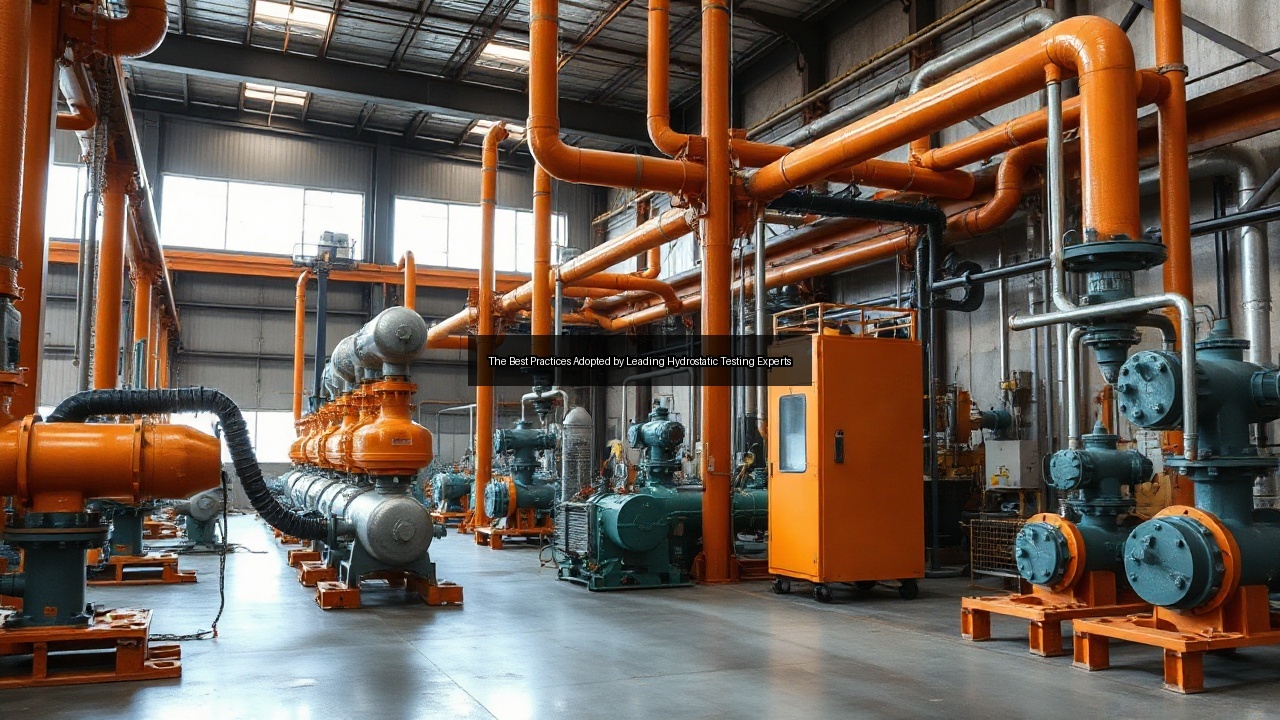
Hydrostatic testing fills pipelines, vessels, and pressure equipment with liquid to apply controlled pressure and detect leaks or structural flaws before service. Experts pressurize the system above operating levels, hold the pressure, and monitor for drops that signal failures. This method confirms material integrity without risking operational fluids like oil or gas. Hydrostatic testing companies rely on precise gauges and pumps to execute these checks across oil and gas facilities, construction sites, and energy infrastructure. The process validates welds, joints, and overall design strength while preventing costly downtime later. Teams document every step to meet regulatory standards and maintain traceable records for future audits.
Importance in the Oil and Gas Industry
Oil and gas pipelines transport volatile products under high pressure, making early detection of weaknesses essential. Hydrostatic testing verifies that new or repaired lines can withstand maximum operating conditions without failure. Leading hydrostatic testing companies perform these tests during construction, maintenance shutdowns, and after modifications to protect workers and the environment. The practice reduces leak risks that could release hydrocarbons or contaminate soil and water. Regular testing also supports compliance with industry codes and extends asset life. Companies in the sector schedule tests around production windows to minimize interruptions while ensuring every segment meets safety thresholds before returning to service.
Key Equipment Used in Hydro Testing
Specialized pumps, high-accuracy pressure gauges, and isolation plugs form the core of any hydro testing setup. Hydrostatic testing companies deploy data loggers to record pressure trends over time and temperature sensors to account for fluid expansion. Portable units allow testing in remote pipeline locations, while larger skids handle complex vessel arrays at refineries. Nitrogen supplies often supplement water tests when moisture control matters. Mechanical testing tools such as torque wrenches and alignment fixtures ensure proper connections before pressure application. Firms maintain calibrated equipment inventories to deliver consistent results across aerospace components, chemical plants, and energy pipelines.
Best Practices in Hydrostatic Testing
Preparation and Planning
Successful hydrostatic pressure testing begins with detailed engineering reviews of the system design and material specifications. Hydrostatic testing companies review drawings, calculate test pressures, and identify isolation points to avoid stressing adjacent equipment. Teams develop procedures that specify fluid type, hold times, and acceptance criteria based on applicable codes. Pre-test inspections check for debris, weld quality, and valve functionality. Planning also includes permits, traffic control for pipeline routes, and coordination with operations to schedule safe windows. Thorough preparation prevents surprises and keeps projects on schedule while protecting surrounding infrastructure.
Executing the Hydrostatic Test
Execution starts with filling the system completely and venting all air pockets that could mask leaks. Hydrostatic testing companies ramp pressure gradually while monitoring for early signs of distress at flanges and connections. Once target pressure is reached, crews maintain it for the required duration and record readings at set intervals. Continuous observation catches small drops that indicate seepage or deformation. Operators adjust pumps to compensate for temperature changes that affect fluid volume. Clear communication among technicians ensures rapid response if anomalies appear. This disciplined approach delivers reliable validation of pipeline and vessel strength.
Post-Test Procedures and Documentation
After pressure release, teams drain fluids safely and inspect for residual moisture that could cause corrosion. Hydrostatic testing companies compile charts, photos, and written reports that detail every parameter and outcome. These records support regulatory submissions and future maintenance planning. Any defects found trigger repair recommendations and retest protocols. Final sign-off confirms the asset meets performance standards. Proper documentation also helps owners demonstrate due diligence during audits or insurance reviews. Leading firms store digital copies for easy retrieval across multiple project sites.
Safety Measures in Hydrostatic Testing
Identifying Hazards in Testing Environments
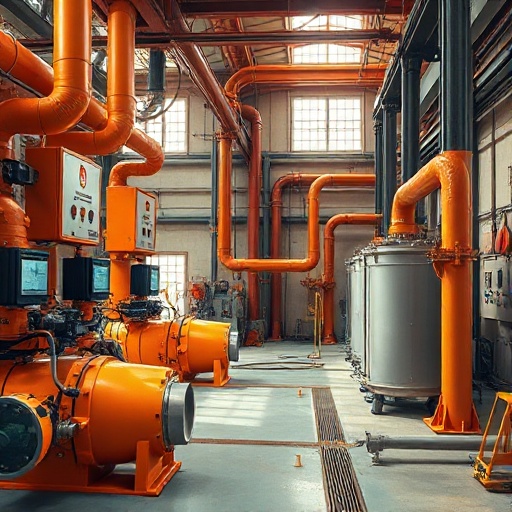
High-pressure systems introduce risks of sudden releases, equipment movement, and fluid sprays. Hydrostatic testing companies conduct site assessments to locate potential failure points such as corroded sections or poorly supported piping. They evaluate nearby traffic, electrical sources, and confined spaces that could complicate emergency access. Chemical plants require additional checks for compatibility between test fluids and process residues. Early hazard identification allows crews to establish exclusion zones and install barriers before testing begins. This proactive step protects both personnel and surrounding operations.
Safety Protocols for Handling Fluids
Water remains the most common test medium, yet some applications demand treated or inhibited liquids to prevent corrosion. Hydrostatic testing companies enforce strict handling procedures for any additives and require personal protective equipment during filling and draining. When nitrogen or other gases supplement tests, teams monitor for asphyxiation risks in enclosed areas. Spill containment plans address leaks that could reach soil or waterways. Regular equipment inspections verify that hoses, valves, and relief devices function correctly under load. These protocols minimize exposure and maintain clean work areas throughout the job.
Emergency Response Strategies
Every hydrostatic pressure test includes a written emergency plan that outlines evacuation routes, shutdown sequences, and first-aid stations. Hydrostatic testing companies train crews on rapid depressurization techniques and communication methods when pressure anomalies occur. On-site medical support and coordination with local responders ensure quick action if injuries happen. Post-incident reviews refine procedures for future projects. Clear signage and barriers keep unauthorized personnel away during critical phases. Robust response planning builds confidence among clients and regulators alike.
Innovations in Hydrostatic Testing
Advancements in Testing Technology
Modern sensors and wireless data transmission allow real-time pressure monitoring from remote locations. Hydrostatic testing companies now use digital systems that flag deviations instantly and generate automated reports. Improved pump designs deliver smoother pressure ramps that reduce stress on components. Advanced seal materials extend equipment life in harsh chemical and oil environments. These developments increase test accuracy while shortening overall project durations for pipeline and vessel owners.
The Role of Automation in Testing
Automated control systems manage pressure profiles without constant manual intervention, freeing technicians to focus on visual inspections. Hydrostatic testing companies integrate software that compares live data against expected curves and alerts operators to issues. Robotic crawlers inspect long pipelines internally before and after tests, reducing human entry into confined spaces. Automation also supports repeatable procedures across multiple sites, improving consistency for energy and aerospace clients. The result is faster turnaround with higher reliability.
Case Studies from Leading Hydrostatic Testing Companies
One firm completed hydrostatic pressure testing on a major gas pipeline expansion by combining automated logging with on-site nitrogen backup systems. The project finished ahead of schedule and identified two minor weld imperfections before commissioning. Another hydrostatic testing company supported an oil refinery turnaround by deploying modular test skids that minimized fluid handling time. Their documentation package helped the client pass regulatory review without delays. These examples illustrate how expertise and technology combine to deliver measurable value across industries.
Choosing the Right Hydrostatic Testing Company
Factors to Consider When Selecting a Firm
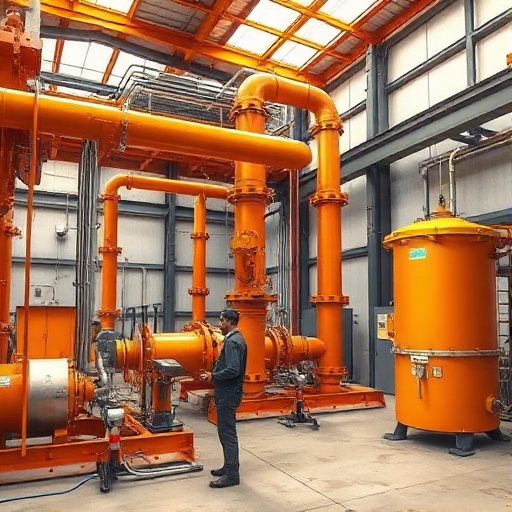
Experience with specific pressure ranges, fluid types, and industry codes ranks high among selection criteria. Hydrostatic testing companies should demonstrate a strong safety record and current certifications for equipment and personnel. Clients evaluate response times, geographic coverage, and ability to scale crews for large pipeline projects. References from recent oil and gas or construction work provide insight into reliability. Transparent pricing and clear communication during bidding also influence final decisions.
Comparing Services Offered by Hydrostatic Testing Companies
Some firms specialize in pneumatic alternatives while others focus exclusively on liquid-based hydro testing. Hydrostatic pressure testing companies differ in their capacity for large-diameter pipelines versus small-diameter mechanical systems. Additional offerings may include chemical cleaning, weld inspection, and post-test drying. Comparing these capabilities helps owners match provider strengths to project needs. Leading companies maintain versatile fleets that handle both routine validation and emergency repairs across energy sectors.
Evaluating Expertise in Specific Industries
Pipeline operators seek hydrostatic testing companies familiar with long-distance transmission lines and associated valves. Chemical facilities require teams experienced with aggressive fluids and strict environmental controls. Aerospace and vehicle manufacturers often need compact, high-precision setups for component validation. Reviewing past project portfolios reveals whether a firm understands the unique pressures, temperatures, and regulatory environments of each sector. Targeted expertise reduces risk and improves outcomes on complex jobs.
See Also
- Understanding Hydrostatic Pressure Testing and Its Impact on Mechanical Integrity
- A Comprehensive Guide to Choosing the Right Hydrostatic Testing Firm
- Navigating the World of Hydrostatic Testing Companies in the Oil and Gas Industry
- Top Hydrostatic Testing Companies Leading the Charge in Fluid Validation